Silica Fabric Welding Blanket: High-Temperature Protection and Industrial Safety Guide
December 05 , 2025
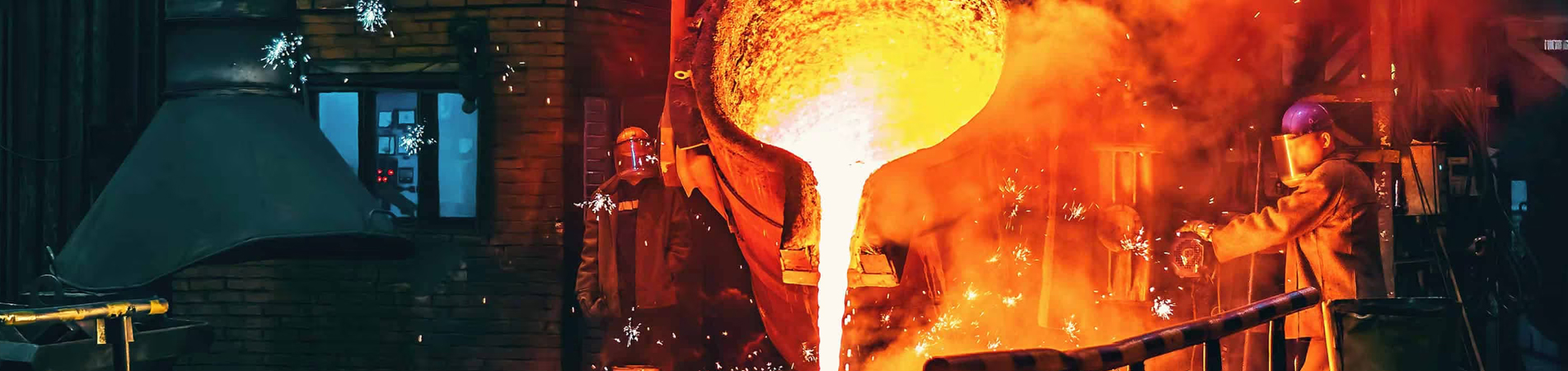
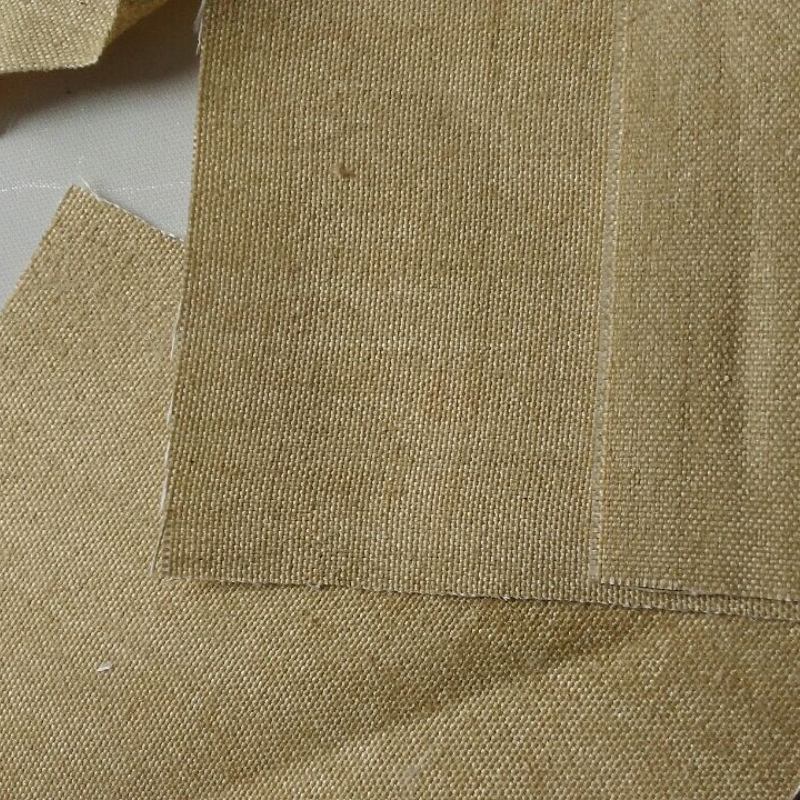
A silica fabric welding blanket is a high-temperature protective barrier designed to shield equipment, structures, and personnel from welding sparks, molten metal, spatter, and radiant heat. Made from silica fibers with a purity typically above eighty percent, this fabric delivers exceptional thermal resistance, flame durability, and mechanical strength in harsh industrial environments. Unlike conventional fiberglass welding blankets, silica fabric withstands significantly higher temperatures, making it suitable for heavy-duty welding, metal cutting, foundry operations, and heat shielding applications.
Welding blankets are an essential part of workplace safety. They prevent accidental fires, protect surfaces from heat damage, and create controlled zones for safe welding operations. Silica fabric welding blankets offer some of the best heat performance available, supporting continuous exposure to extreme temperatures. This article provides a comprehensive overview of silica welding blankets, detailing their structure, performance advantages, industrial applications, technical characteristics, installation methods, and maintenance guidelines.
What Is a Silica Fabric Welding Blanket
A silica fabric welding blanket is a protective textile sheet woven from high-purity silica fibers. These fibers are engineered to withstand intense heat generated by welding activities, with many blankets capable of resisting temperatures exceeding one thousand degrees Celsius depending on the grade. Silica blankets are used to cover equipment, floors, walls, and surrounding surfaces, creating a barrier between the heat source and flammable or vulnerable materials.
Because of their superior thermal performance, silica fabric blankets are preferred in environments where standard fiberglass blankets may degrade or fail. They are available in multiple thicknesses, coatings, and weave styles to support different industrial needs, from light welding tasks to demanding metal cutting operations involving heavy sparks and molten metal droplets.
Key Features and Advantages
Exceptional Heat Resistance
Silica welding blankets withstand extreme temperatures, supporting continuous thermal exposure and resisting damage from molten metal, sparks, and slag. This high-temperature capability makes them suitable for heavy industrial welding and cutting applications.
Flame and Fire Protection
The fabric is inherently non-combustible and retains structural integrity when exposed to direct flame. It prevents fire hazards by shielding combustible materials and creating a safe working zone.
Mechanical Strength and Durability
Silica fabric maintains strength even when exposed to heat, vibration, and mechanical stress. It resists tearing, abrasion, and flex fatigue, which are common challenges in industrial environments.
Low Thermal Conductivity
The fabric’s dense structure limits heat transfer, helping protect workers and surrounding equipment. This also improves insulation efficiency in high-heat industrial operations.
Chemical Resistance
Silica fibers offer good resistance to most industrial chemicals, including oils and solvents, ensuring long service life even in complex environments.
Flexible and Easy to Use
Despite its strength, the blanket remains flexible and can be draped, hung, or wrapped around equipment. It is available in large sheet sizes and custom dimensions to accommodate various applications.
Industrial Applications
Welding and Cutting Operations
Silica fabric blankets are widely used in manual and automated welding operations to protect personnel and equipment from sparks and slag. They cover floors, walls, storage racks, and nearby machinery.
Fire Protection and Heat Shields
Because of their non-combustible nature, silica blankets function as passive fire barriers. They help isolate heat sources, shield flammable surfaces, and contain sparks in confined spaces.
Foundries and Metal Processing
High-temperature environments such as foundries, steel mills, aluminum processing plants, and thermal treatment facilities rely on silica blankets to manage heat exposure and protect high-value machinery.
Automotive and Shipbuilding
During metal fabrication, grinding, cutting, and welding, silica blankets protect vehicle components, ship interiors, and assemblies from thermal damage.
Maintenance and Repair Activities
Industrial maintenance teams use silica blankets when performing hot work in chemical plants, energy facilities, pipelines, storage terminals, and refineries.
Insulation and Thermal Barriers
Some silica fabrics serve dual functions as insulation wraps for pipes, boilers, ducts, and heat treatment equipment.
Technical Data Sheet (Typical Values)
Property
Value
Material
High-purity silica fiber
Silica Content
Typically above 80 percent
Continuous Temperature Resistance
Approximately 900 to 1100 degrees Celsius depending on grade
Melting Point
Above 1600 degrees Celsius
Thickness Options
0.7 to 3 millimeters
Weight
600 to 1500 grams per square meter
Weave Structure
Satin, twill, or plain weave
Coating Options
Vermiculite, calcium silicate, graphite, or none
Thermal Conductivity
Low
Abrasion Resistance
High depending on coating
Standard Sizes
Custom sizes; common blankets include 1 by 2 meters and 2 by 3 meters
Color
Typically tan or brown depending on coating
These values vary by manufacturer and product grade.
Advantages Over Other Welding Blanket Materials
Silica Fabric vs. Fiberglass Blanket
Fiberglass blankets offer good heat performance but degrade sooner under extreme temperatures. Silica blankets provide significantly higher temperature resistance, better structural retention, and longer service life.
Silica Fabric vs. Ceramic Fiber Blanket
Ceramic fiber blankets withstand even higher temperatures but are more fragile and can release airborne fibers. Silica blankets offer a more durable, low-dust alternative while maintaining excellent heat tolerance.
Silica Fabric vs. Carbon Fiber Blanket
Carbon blankets perform well in oxygen-starved environments but oxidize under direct flame. Silica blankets are preferable for general welding.
LSI Keywords Used Naturally
high temperature welding blanket, silica heat resistant fabric, industrial welding protection sheet, fireproof welding cover, thermal insulation silica cloth, heavy duty welding blanket material, molten metal splash protection fabric
How to Select the Right Silica Fabric Welding Blanket
Temperature Requirements
Choose a blanket with a continuous temperature rating that exceeds the expected heat exposure. Heavy welding and cutting require high-grade silica fabrics.
Thickness and Weight
Thicker blankets (one to three millimeters) provide better protection and improved durability in high-impact spark environments.
Coating Considerations
Coatings such as vermiculite increase abrasion resistance and reduce dusting while improving fabric life.
Size Requirements
Select appropriate sheet sizes depending on the work area. Large blankets are suited for floor and wall protection, while smaller pieces are used for equipment coverage.
Installation and Usage Guidelines
Prepare the Work Area
Clear flammable materials before welding. Position the blanket to cover vulnerable surfaces.
Secure the Blanket
Use clamps, magnets, or fasteners to hold the blanket in place. This prevents movement caused by vibration or airflow.
Avoid Over-Compression
Do not press the blanket tightly against extremely hot surfaces. Allow airflow to reduce heat buildup.
Regular Monitoring
During welding, check that the blanket remains properly positioned and free from flame exposure beyond its rated capacity.
Maintenance and Cleaning
Inspection
Inspect blankets regularly for holes, tears, or heat degradation. Replace damaged sections promptly.
Cleaning
Use a soft brush or low-pressure air to remove metal particles and dust. Avoid washing unless recommended by the manufacturer.
Storage
Store blankets in clean, dry environments away from chemicals or sharp objects that could damage the fibers.
Safety Benefits
Silica fabric welding blankets offer multiple safety advantages including preventing fires, reducing equipment damage, protecting workers from radiant heat, and ensuring compliance with industrial safety standards for hot work activities.
Frequently Asked Questions
What is the main purpose of a silica fabric welding blanket
Its primary purpose is to protect equipment, surfaces, and personnel from welding sparks, slag, molten metal, and high-temperature exposure.
What temperatures can silica welding blankets withstand
Most silica blankets handle continuous temperatures between 900 and 1100 degrees Celsius depending on thickness and purity.
Are silica blankets reusable
Yes. When properly maintained, they can be reused multiple times in industrial environments.
Do silica blankets produce dust
Uncoated silica fabrics may generate some surface dust. Coated versions, such as vermiculite-treated blankets, reduce this effect.
Can silica blankets be used for fire protection
Yes. They are non-combustible and commonly used as fire barriers or heat shields.
What thickness is recommended for heavy welding
Blankets between one and three millimeters provide excellent protection for industrial welding and cutting operations.
Are silica blankets safe to handle
Yes, but gloves are recommended to avoid irritation from fibers.
Silica fabric welding blanket is among the most effective high-temperature protective textiles used in modern industry. Their exceptional heat resistance, flame protection, durability, and adaptability make them essential for welding, cutting, metal fabrication, and industrial fire-safety operations. With proper selection, installation, and maintenance, silica blankets provide long-term protection and significantly improve the overall safety and efficiency of hot work environments. As industrial standards continue to rise, silica fabric welding blankets remain a critical component in ensuring reliable and safe welding operations across multiple industries.