Hydraulic hose protection is essential for maintaining safety, reliability, and long-term performance in high-pressure hydraulic systems. Hydraulic hoses are exposed to abrasion, extreme temperatures, vibration, crushing forces, and potential burst hazards. Without proper protection, hose failure can lead to equipment downtime, environmental contamination, and serious safety risks.
This complete guide explains what hydraulic hose protection is, why it is necessary, and how to choose the right hose protection solution for different industrial applications.

Hydraulic hose protection refers to protective sleeves, guards, and insulation systems designed to shield hydraulic hoses from external damage and operational hazards.
Hydraulic systems operate under high pressure. When hoses are exposed to friction, sharp edges, excessive heat, or mechanical impact, their service life can be significantly reduced. Hose protection solutions help:
Reduce abrasion and surface wear
Contain fluid spray in case of burst
Protect against high temperatures and flame
Prevent crushing and mechanical impact
Improve workplace safety
Selecting the correct type of hose protection depends on the operating environment and risk factors.
Abrasion is one of the leading causes of hydraulic hose failure. Protective sleeves reduce direct contact with metal edges, equipment frames, and rough surfaces.
High-pressure hydraulic systems can cause oil injection injuries if a hose ruptures. Burst protection sleeves help contain fluid spray and reduce risk.
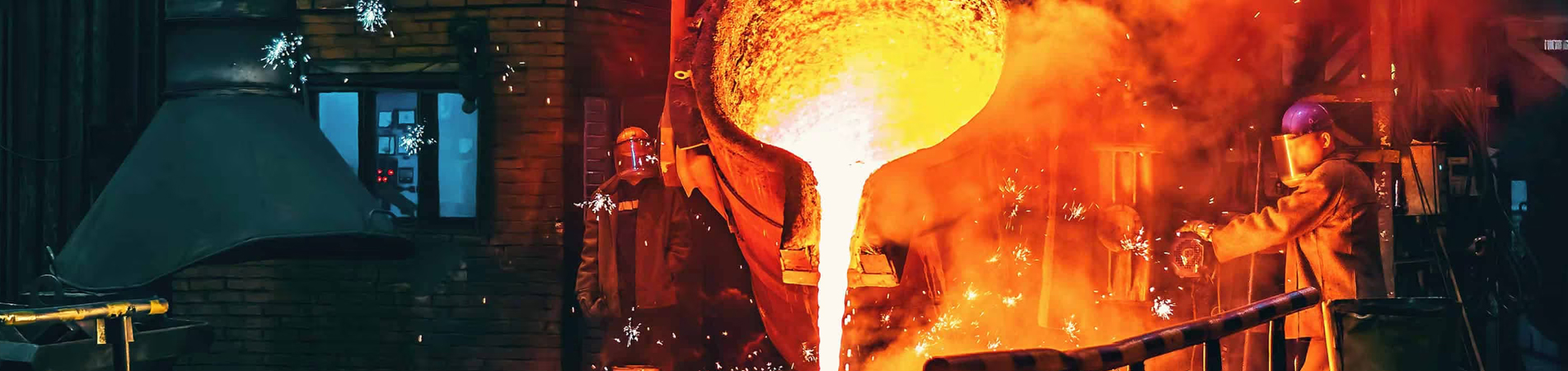
Hydraulic hoses operating near exhaust systems, furnaces, or molten metal areas require thermal insulation or fire-resistant sleeves.
Proper hose protection extends service life and reduces unexpected equipment shutdowns.
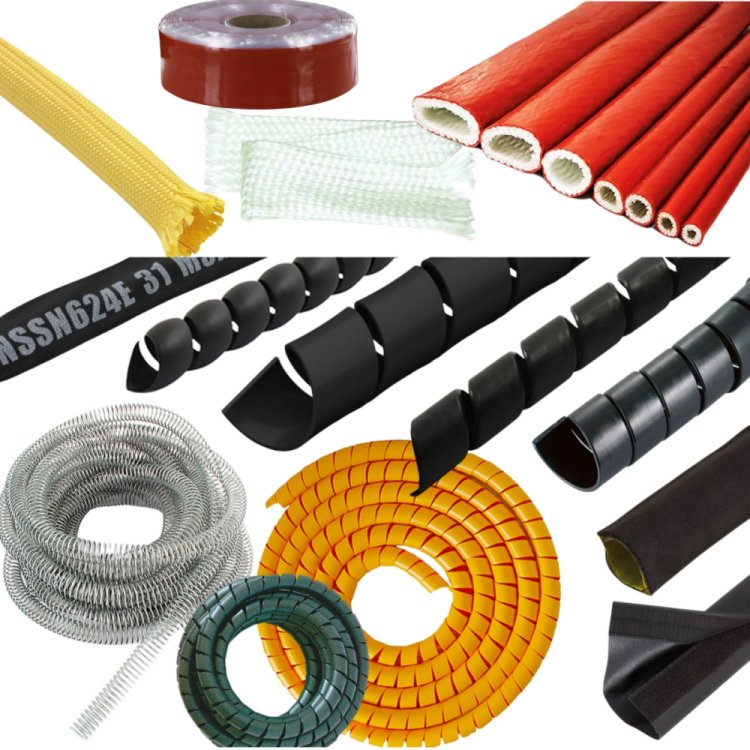
Different environments require different levels of protection. Below are the main types of hydraulic hose protection solutions.
These sleeves protect against friction and surface wear.
Common materials:
Polyester protective sleeve
Nylon protective sleeve
Aramid (Kevlar®) sleeve
Best for:
Construction equipment
Agricultural machinery
General industrial systems
Kevlar sleeves offer the highest cut and abrasion resistance, while polyester sleeves provide cost-effective protection.
Burst protection sleeves are designed to help contain fluid spray in case of hose rupture.
Common material:
Polypropylene woven sleeve
Best for:
High-pressure hydraulic systems
Mining equipment
Industrial safety applications
These sleeves improve safety compliance in hazardous environments.
Fire sleeves are engineered for high-temperature and flame exposure.
Typical construction:
Braided fiberglass with silicone coating
Best for:
Steel plants
Foundries
Automotive engine compartments
Marine engine rooms
Fire sleeves provide both thermal insulation and flame resistance.
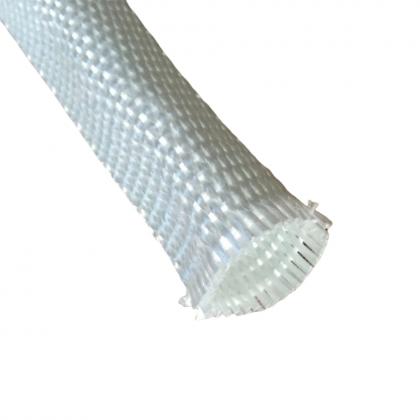
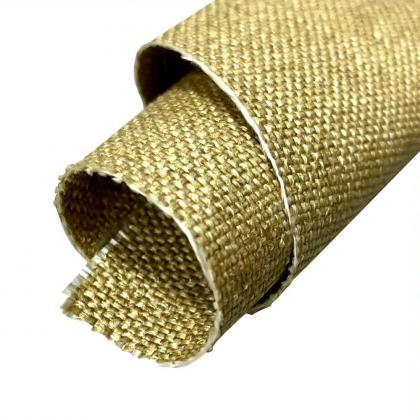
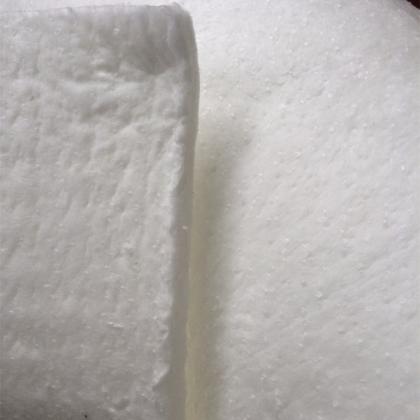
For continuous high heat environments, fiberglass or basalt sleeves provide thermal insulation.
Best for:
Exhaust-adjacent hydraulic lines
Furnace equipment
Industrial heat zones
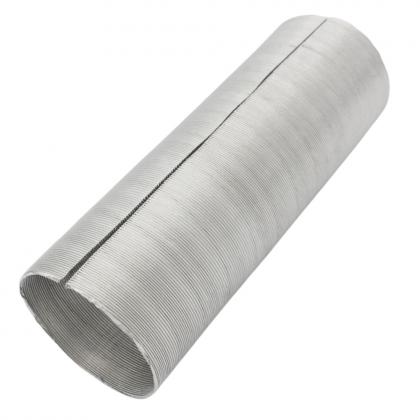
Steel spring guards provide heavy-duty mechanical protection.
Best for:
Mining machinery
Heavy construction equipment
Crushing or impact risk areas
They protect against crushing and severe abrasion.
Selecting the right hose protection solution requires evaluating several factors:
Normal environment → Polyester or Nylon sleeve
High heat → Fiberglass or Fire sleeve
Moderate wear → Polyester
Severe abrasion → Nylon
Extreme cutting risk → Kevlar
High-pressure systems → Polypropylene burst sleeve
Heavy machinery → Steel spring guard
Confined engine rooms → Flexible fire sleeve
Outdoor mining → Heavy-duty abrasion sleeve
Protection against abrasion, vibration, and mechanical stress.
Heavy-duty abrasion and burst containment protection.
High-temperature and molten splash protection.
Fire-resistant and burst containment solutions.
Corrosion-resistant and fire-protective sleeving.
What is the most common cause of hydraulic hose failure?
Abrasion and improper routing are leading causes.
Is burst protection the same as fire protection?
No. Burst protection contains fluid spray, while fire sleeves provide thermal and flame resistance.
Can one sleeve provide all types of protection?
No. Protection must be selected based on the specific hazard.
How do I size a hose protection sleeve?
Choose a diameter slightly larger than the hose outer diameter.
Inspect hoses regularly
Avoid tight bend radii
Secure sleeves properly
Select protection based on real operating conditions
Replace damaged sleeves immediately
Hydraulic hose protection plays a critical role in ensuring system safety, durability, and operational efficiency. From abrasion-resistant sleeves to fire-resistant insulation and burst containment systems, selecting the correct protection solution reduces maintenance costs and enhances workplace safety.
Understanding environmental risks and matching them with the appropriate hose protection type ensures long-term hydraulic system performance.
Network IPv6 compatible con