Silica Sleeve vs Fiberglass Sleeve: Which High Temperature Protection Is Right for Your Application?
December 20, 2025
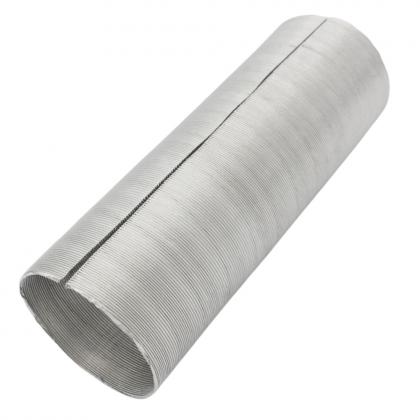
When selecting a high temperature protection sleeve for hoses, cables, or pipes, two of the most commonly compared materials are silica sleeve and fiberglass sleeve. While both are widely used for thermal protection, their performance, temperature limits, and application suitability differ significantly.
Understanding the difference between silica sleeve and fiberglass sleeve is critical for choosing the right solution for industrial heat protection and fire safety.
What Is a Silica Sleeve?
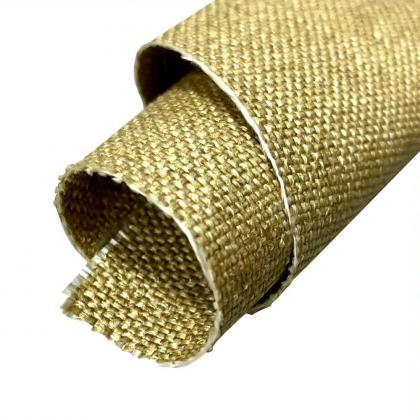
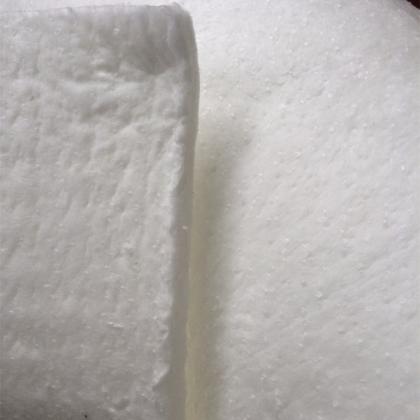
A silica sleeve is manufactured from high-purity silica fibers, typically containing more than 96% silicon dioxide (SiO₂). This composition allows the sleeve to withstand extremely high temperatures and direct flame exposure without melting or burning.
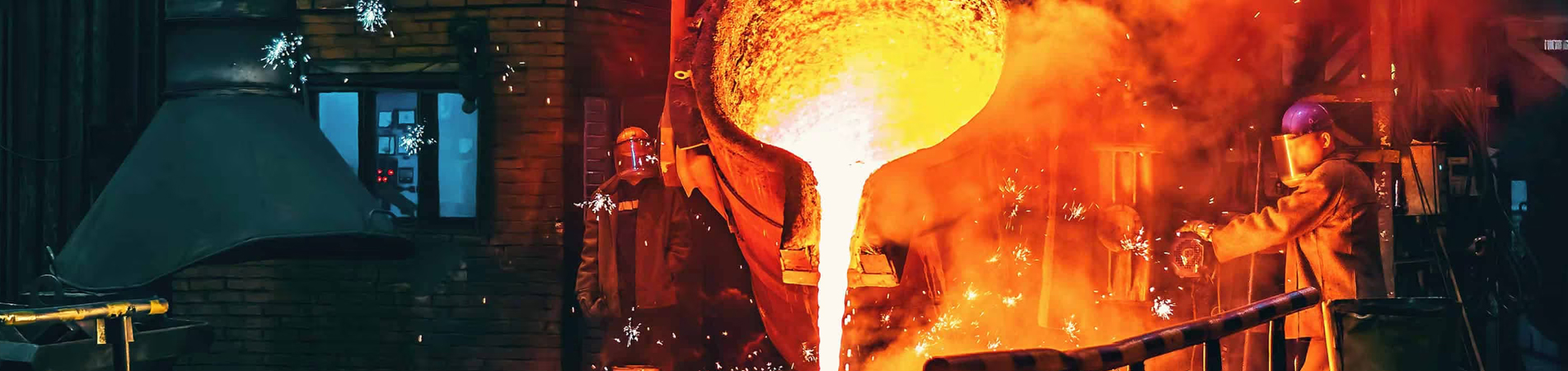
Silica sleeves are commonly used in environments where radiant heat, molten metal splash, or open flame is present.
What Is a Fiberglass Sleeve?
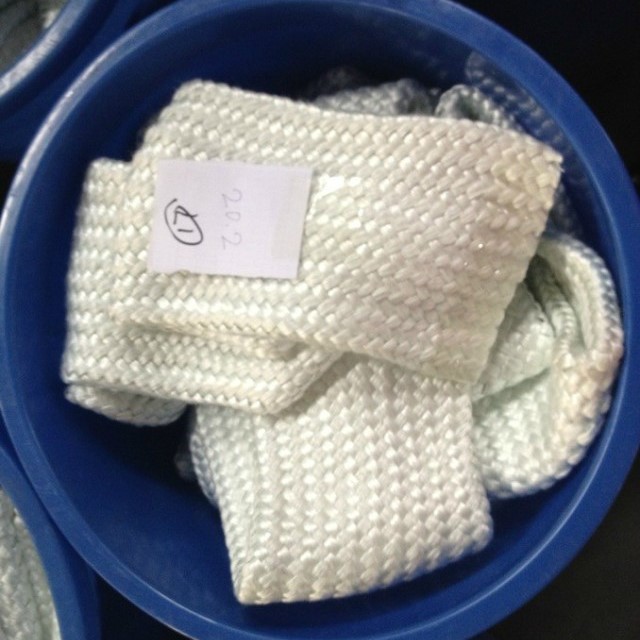
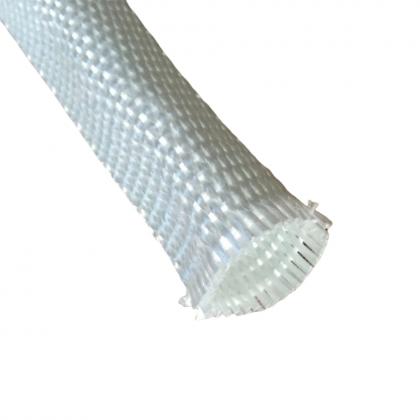
A fiberglass sleeve is produced from woven or braided fiberglass yarns. It provides reliable thermal insulation and abrasion resistance for moderate to high temperature applications.
Fiberglass sleeves are widely used due to their cost-effectiveness and flexibility, especially in applications where extreme heat exposure is not required.
Temperature Resistance Comparison
One of the most important differences between silica sleeve and fiberglass sleeve is temperature capability.
Silica Sleeve
Continuous working temperature: up to 1000°C (1832°F)
Excellent resistance to flame and molten metal splash
Fiberglass Sleeve
Continuous working temperature: typically up to 500–600°C (932–1112°F)
Limited resistance to direct flame exposure
For applications involving extreme heat, silica sleeve is the preferred choice.
Fire and Flame Protection
Silica sleeve material is non-combustible and maintains structural integrity under direct flame conditions. It is commonly selected for fire protection in steel mills, foundries, and welding environments.
Fiberglass sleeve offers good heat resistance but may lose strength or degrade when exposed to prolonged flame or molten metal. In fire-critical environments, fiberglass sleeve may not provide sufficient protection.
Flexibility and Durability
Both silica sleeve and fiberglass sleeve offer good flexibility, allowing them to be installed over hoses and cables without restricting movement.
However, silica sleeve is generally more resistant to thermal shock and high-temperature cycling, while fiberglass sleeve performs well in applications with lower heat exposure and mechanical abrasion.
Typical Applications
Silica Sleeve Applications
Steel and metal processing plants
Foundries and welding areas
High-temperature hydraulic hose protection
Exhaust and engine heat shielding
Molten metal splash protection
Fiberglass Sleeve Applications
Cable and wire insulation
Automotive and electrical protection
General industrial heat shielding
Moderate temperature hose protection
Cost Considerations
Fiberglass sleeves are generally more economical and suitable for applications where temperature exposure is controlled and predictable.
Silica sleeves are more specialized products designed for extreme conditions. While they typically have a higher initial cost, they provide superior performance and longer service life in high-temperature environments.
Which Sleeve Should You Choose?
The choice between silica sleeve vs fiberglass sleeve depends on your specific application requirements:
Choose silica sleeve if your application involves extreme heat, flame exposure, or molten metal splash.
Choose fiberglass sleeve for moderate temperature insulation where cost efficiency is a priority.
Selecting the correct sleeve material improves safety, reduces maintenance, and extends equipment life.
Both silica sleeve and fiberglass sleeve play important roles in industrial thermal protection. However, when maximum heat resistance and fire protection are required, silica sleeve offers clear advantages.
For applications where temperatures are lower and cost is a key factor, fiberglass sleeve remains a reliable solution.
To learn more about high temperature protection solutions, visit www.silicasleeve.com